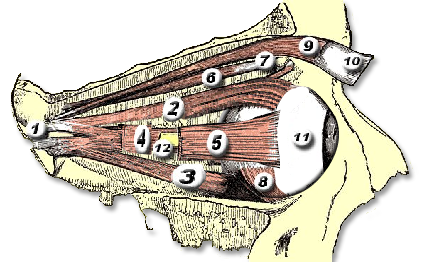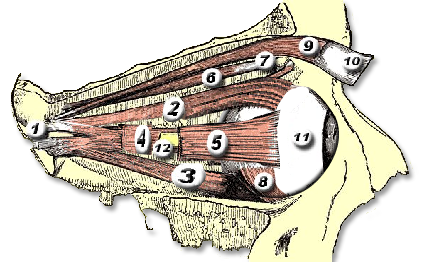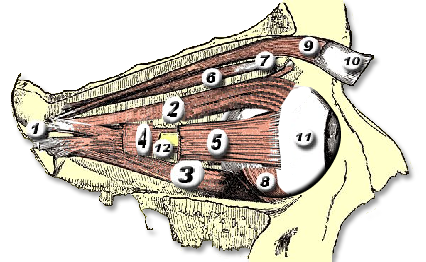
Orbital
Thyroid Eye Disease: Signs, Symptoms & Diagnosis
The clinical and radiological findings of thyroid eye disease — eye signs, orbital CT, disease-activity scoring (CAS), and severity grading.
Medically reviewed by Tamara R. Fountain, MDOculoplastic SurgeonLast updated June 2026
Part of our complete guide to Thyroid Eye Disease (TED) — this page covers TED diagnosis and evaluation in depth.
Thyroid eye disease is recognized by a characteristic set of eye findings and graded by how active and how severe it is. This page covers the clinical signs, the orbital imaging, and the scoring systems used to guide treatment.
Eye Signs of Thyroid Eye Disease
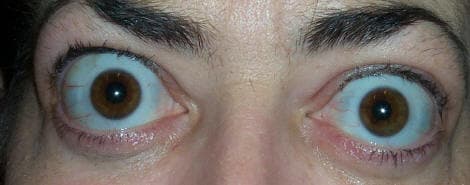
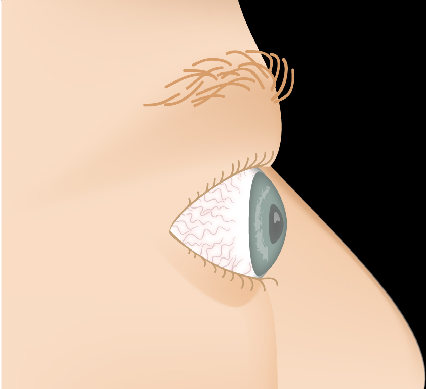
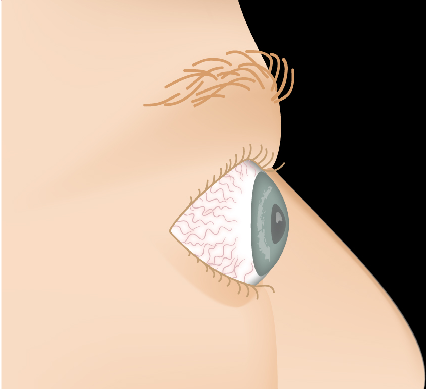
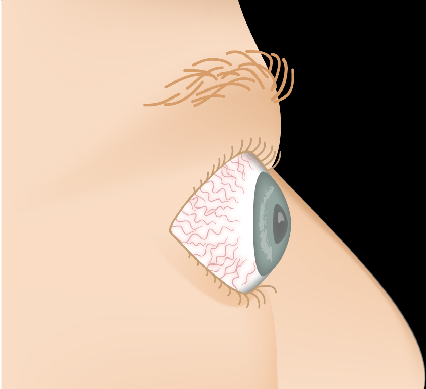
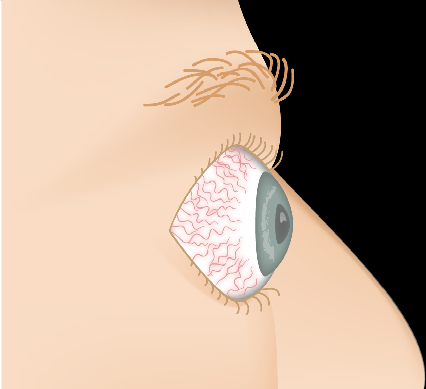
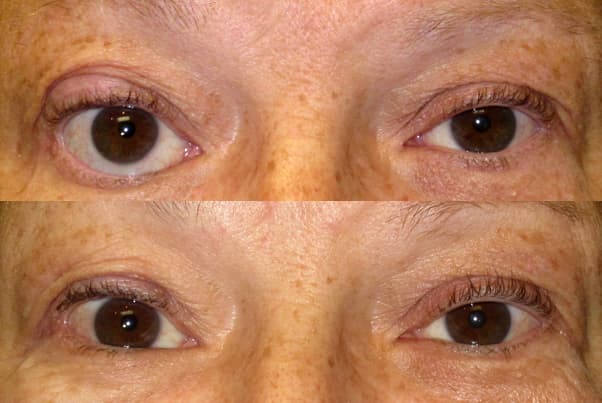
The hallmark findings of TED include proptosis, lid retraction, restricted eye movement, and periorbital swelling. The combination of these features gives the characteristic “staring” or “startled” appearance.
Clinical Findings
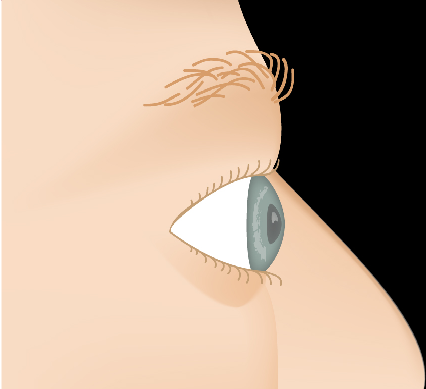
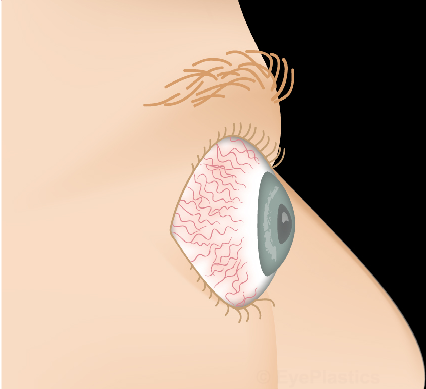
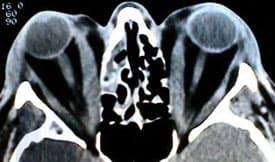
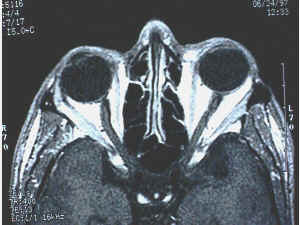
- Proptosis (exophthalmos): Forward displacement of the globe due to expanded orbital volume. Hertel exophthalmometry readings > 21 mm, or ≥ 2 mm of asymmetry between the eyes, are considered significant (normal values vary by ethnicity). Thyroid eye disease is the most common cause of proptosis in adults, and is also the most common cause of bilateral proptosis
- Eyelid retraction: Upper lid scleral show (limbus to upper lid margin >2 mm) and lower lid scleral show below the limbus. Both sympathetic over-stimulation and levator fibrosis contribute
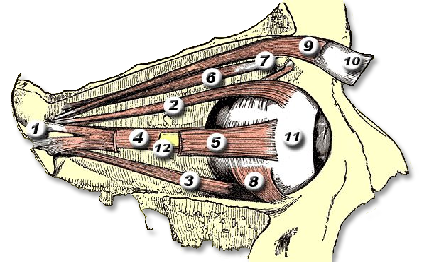
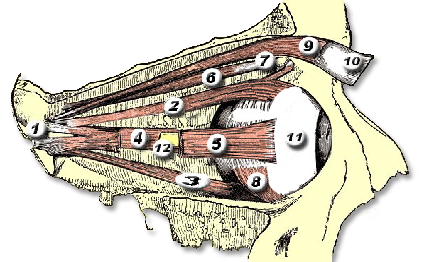
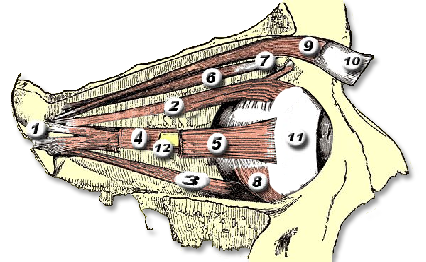
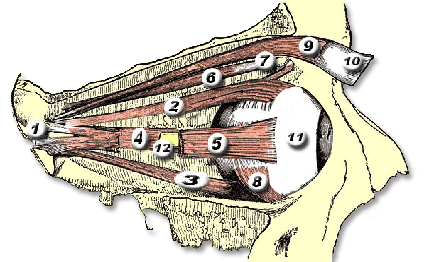
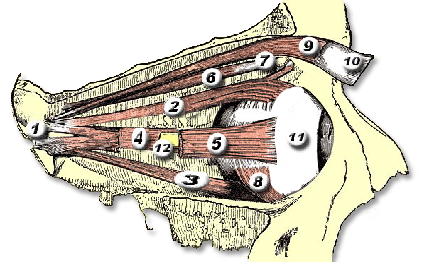
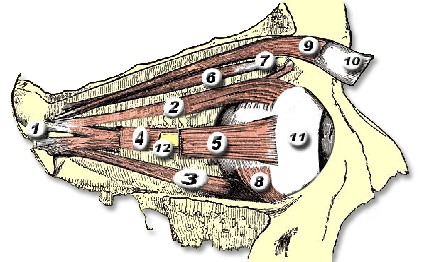
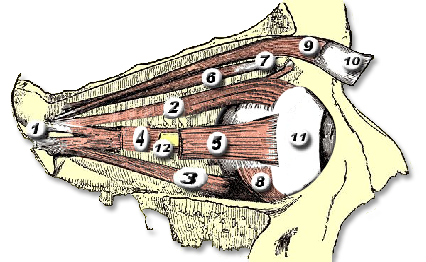
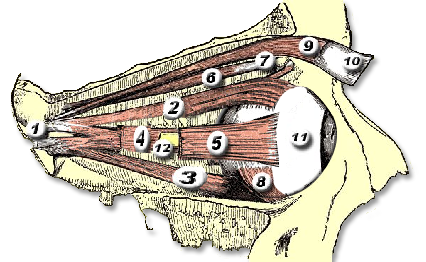
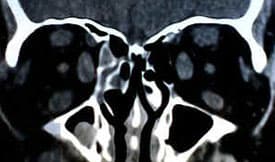
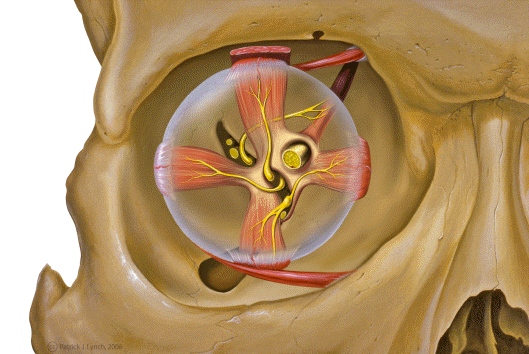
- Restrictive strabismus: Tight, fibrotic extraocular muscles restrict movement and cause diplopia, most commonly on upgaze (inferior rectus) and lateral gaze (medial rectus)
- Periorbital edema and chemosis: Inflammatory swelling of eyelids, conjunctiva, and caruncle
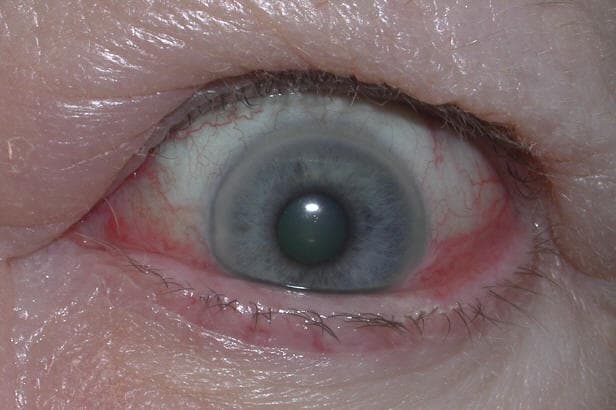
- Corneal exposure keratopathy: Incomplete eyelid closure and reduced blink rate from proptosis and lid retraction expose the cornea — causing dryness, pain, and risk of corneal ulceration
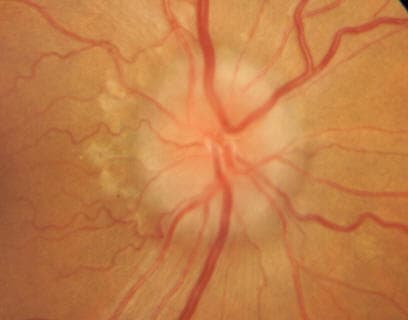
- Compressive optic neuropathy (CON): The most vision-threatening complication — enlarged muscles at the orbital apex compress the optic nerve. Presents with decreased visual acuity, color desaturation, and relative afferent pupillary defect. Requires urgent treatment
Ready to discuss Thyroid Eye Disease: Signs, Symptoms & Diagnosis?
Schedule a consultation with Tamara R. Fountain, MD to learn if this procedure is right for you.