- What is blepharitis?
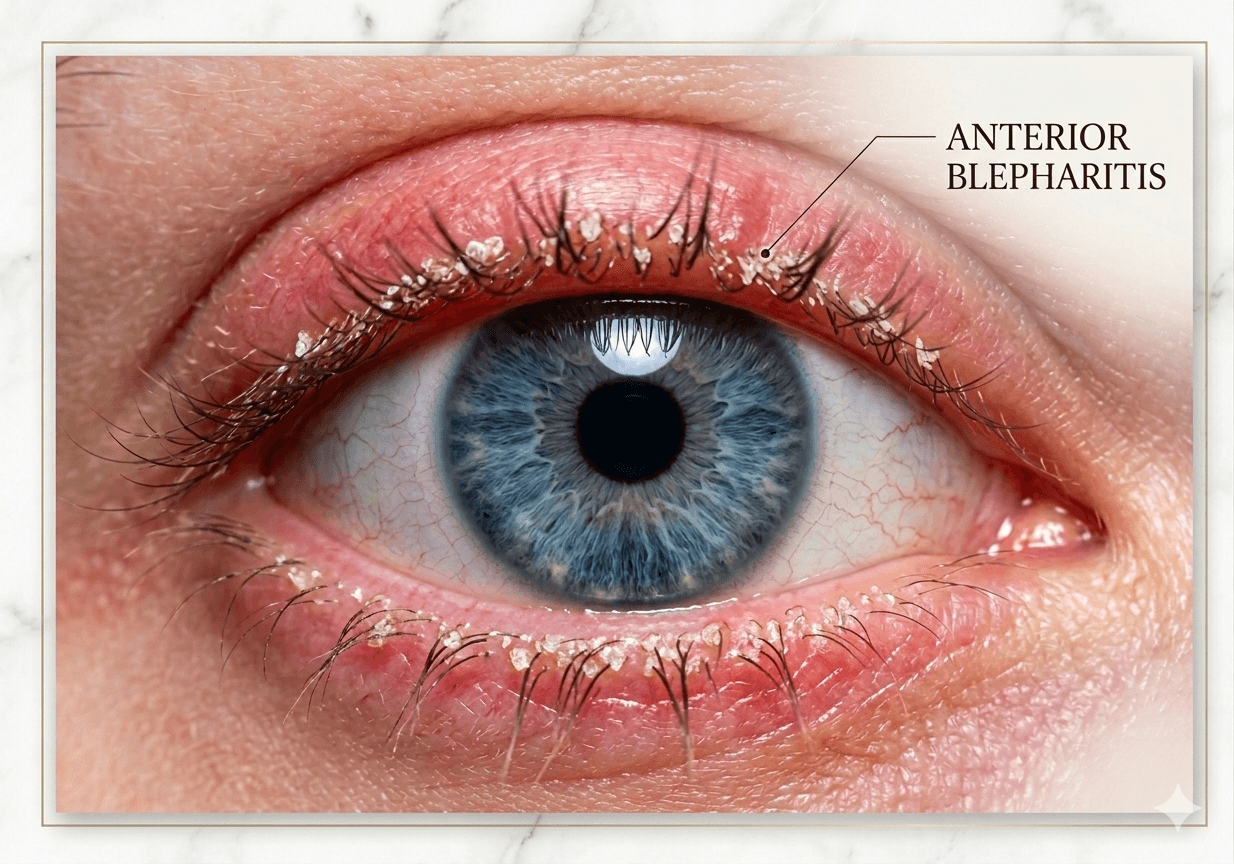
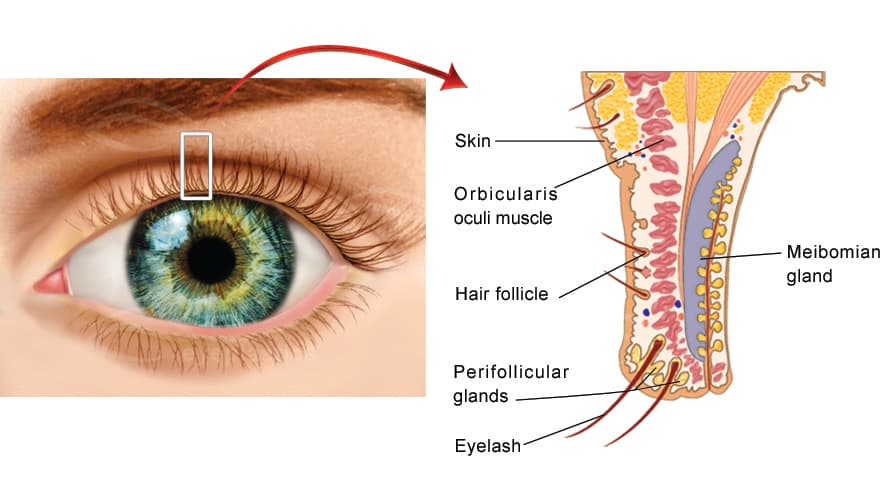
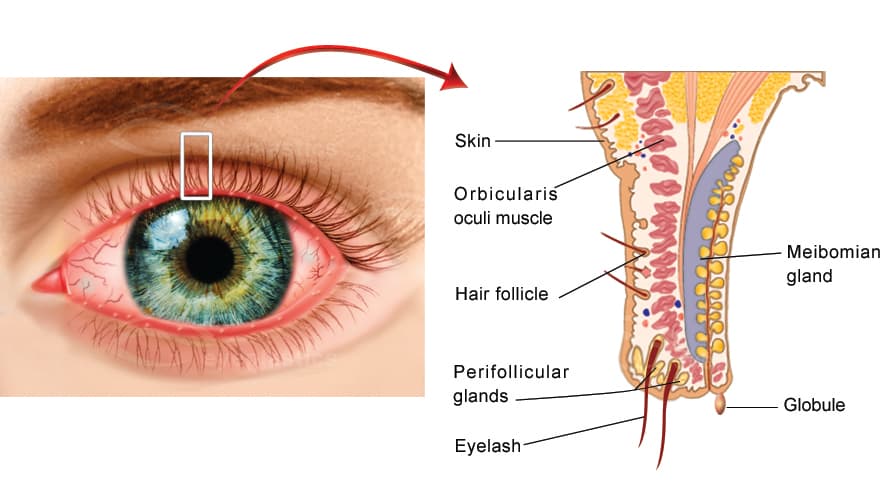
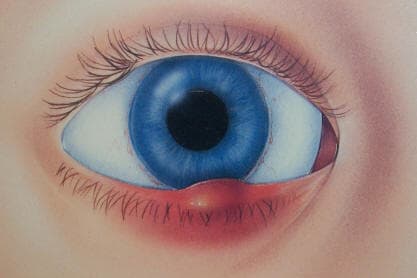
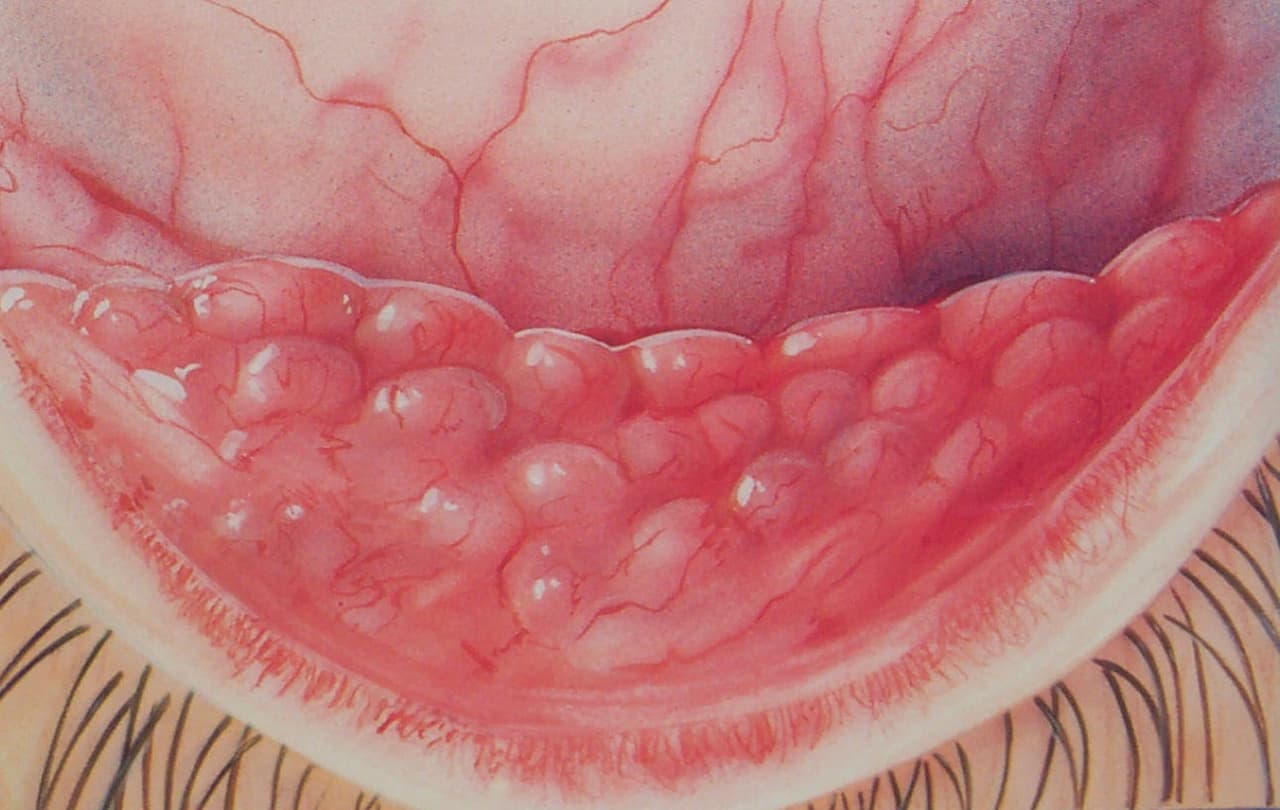
- Blepharitis is chronic inflammation of the eyelid margins. Anterior blepharitis affects the eyelid skin and lash follicles (often related to Staphylococcus bacteria or Demodex mites). Posterior blepharitis (meibomian gland dysfunction, or MGD) affects the oil-secreting glands inside the eyelid and is the leading cause of evaporative dry eye.
- How is blepharitis treated?
- Treatment depends on type. All forms benefit from warm compresses and eyelid margin hygiene. Anterior blepharitis may require topical antibiotics or tea tree oil scrubs (for Demodex). MGD/posterior blepharitis is treated with oral omega-3 fatty acids, doxycycline, in-office thermal treatments (LipiFlow, iLux), or intense pulsed light (IPL) therapy.
- Does blepharitis ever go away completely?
- Blepharitis is typically a chronic condition that requires ongoing management rather than a one-time cure. With consistent lid hygiene and appropriate treatment, most patients achieve good symptom control. Flares can occur with stress, illness, or lapses in hygiene.
- When should I see an oculoplastic specialist for blepharitis?
- You should consider consulting an oculoplastic specialist if you have chronic blepharitis that hasn't improved with standard treatments like eyelid hygiene and topical medications, or if you experience severe symptoms affecting your quality of life. Additionally, if you have complications such as recurrent styes, chalazia, or eyelid margin scarring, a specialist can provide advanced diagnostic techniques and targeted treatments. Specialists can also identify underlying conditions like Demodex infestations or meibomian gland dysfunction that may require specialized management.
- What can I expect during my blepharitis consultation?
- During your consultation, the specialist will perform a thorough examination of your eyelids using magnification and specialized lighting to assess the severity of inflammation and identify the type of blepharitis you have. They may use imaging technology such as meibography to evaluate meibomian gland structure and function. You'll discuss your symptoms, current treatment regimen, and medical history to develop a personalized treatment plan that may include in-office procedures, medications, or lifestyle modifications.
- What are the potential risks and complications of blepharitis treatments?
- Most conservative blepharitis treatments like lid hygiene and topical medications have minimal risks, though some patients may experience mild irritation or allergic reactions to eye drops or ointments. In-office procedures such as lid margin debridement or meibomian gland expression are generally safe but carry rare risks of temporary discomfort or minor bleeding. More advanced treatments like intense pulsed light therapy or thermal procedures have excellent safety profiles when performed by experienced specialists, though some patients may experience transient redness or mild irritation.
- What is involved in long-term management of blepharitis?
- Long-term blepharitis management typically requires ongoing eyelid hygiene practices, including daily warm compresses and gentle cleansing of the eyelid margins to prevent recurrence. Many patients benefit from periodic in-office treatments or maintenance procedures to manage symptoms and prevent complications. Dr. Fountain will recommend a maintenance schedule and may adjust your treatment plan based on your response, ensuring you maintain comfort and eye health over time.
- Can blepharitis be cured?
- Blepharitis is usually a chronic condition that is controlled rather than permanently cured. Consistent daily lid hygiene -- warm compresses and lid-margin cleaning -- keeps most cases comfortable; symptoms tend to return if the routine is stopped.
- How do you clean eyelids for blepharitis?
- Apply a warm compress for several minutes to soften oils and crusts, then gently clean the lid margins with a dedicated eyelid cleanser or wipe. Doing this daily, even when symptoms are mild, is the foundation of blepharitis treatment.
- What is the difference between blepharitis and dry eye?
- Blepharitis is inflammation of the eyelid margins, while dry eye is inadequate or poor-quality tears. They frequently occur together: blepharitis, especially meibomian gland dysfunction, disrupts the oily tear layer and accelerates tear evaporation, worsening dry eye.